Introduction
The rise of autonomous electric cars marks a turning point in modern transportation. These next-generation vehicles combine artificial intelligence (AI) with sustainable electric power to create a smarter, safer, and more efficient driving experience. What was once science fiction is now becoming reality a world where cars can think, learn, and drive themselves while reducing emissions and helping protect the planet.
1. What Are Autonomous Electric Cars?
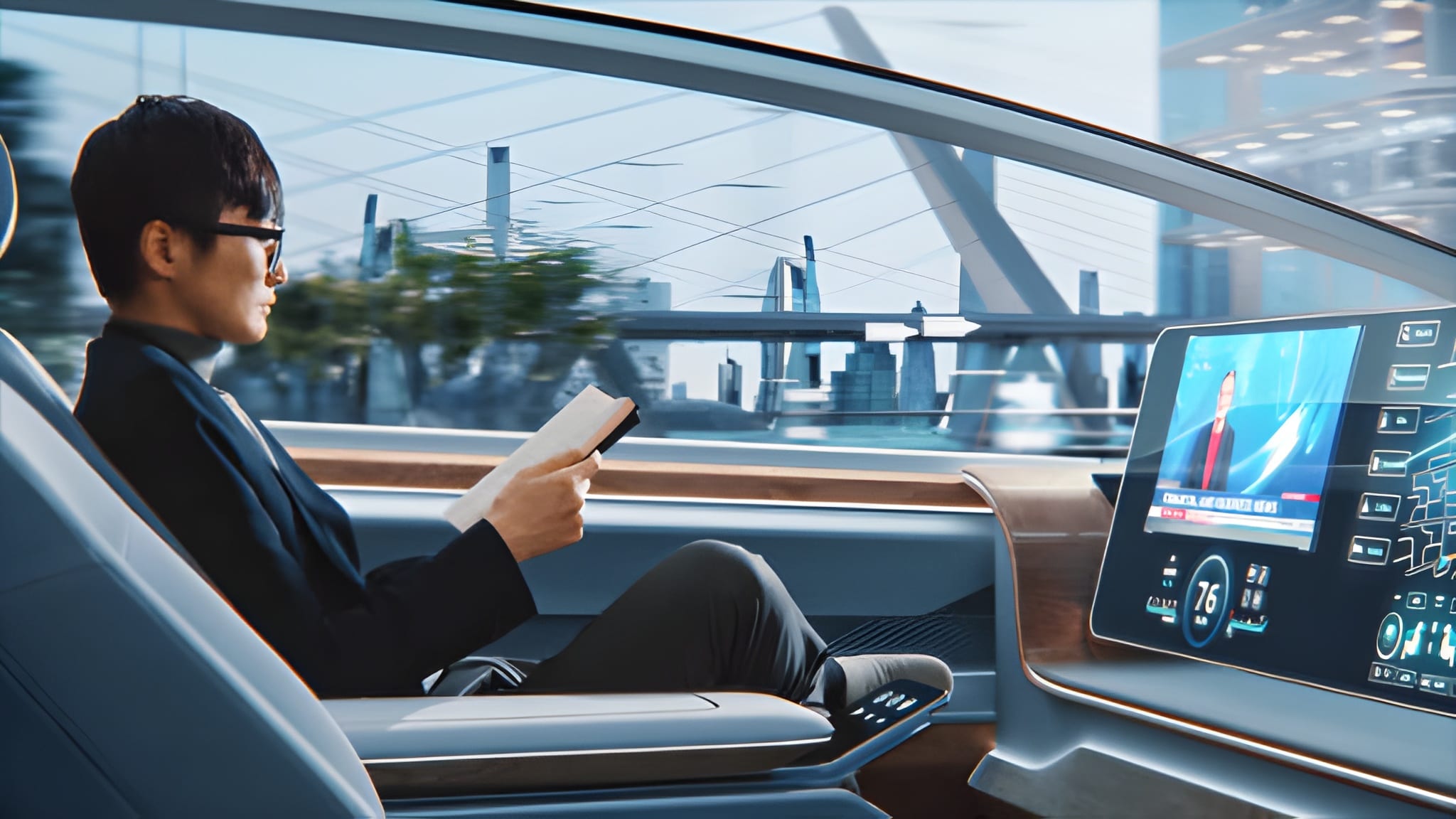
An autonomous electric car is a self-driving electric vehicle (EV) that has sophisticated AI systems, cameras, radar, and LiDAR sensors. This is because these technologies combine to comprehend the road conditions, identify pedestrians and obstacles, as well as, make driving decisions in real-time without the direct involvement of the human.
The autonomous electric cars are energy-saving since they use clean and renewable energy as opposed to traditional vehicles which use fossil fuels, hence they are environmentally responsible and well technologically developed. They are able to plan the routes, they can regulate speed, safe distance, and even park. Organizations such as Tesla, Waymo, and Cruise already test these cars in the cities of the world, which proves that the future of mobility is not too far.
2. How AI Drives the Future
Artificial Intelligence is the equivalent of having the self-driving car. AI is constantly working with millions of pieces of data of sensors, GPS, and cameras to interpret traffic movement, road environments, and unforeseen dangers.
With machine learning and neural networks, AI systems get better at the task as they gain experience of real-world driving and thus start making better and safer choices. This allows the car to respond quickly than anybody regardless of their performance, which stops accidents and maximizes the performance.
As a case in point, Waymo, one of the pioneers in autonomous driving, trains its cars to move safely and effectively in complex urban areas with the aid of AI. Their technology is able to identify the cyclists, anticipate the movements of pedestrians and adapt to the altering traffic lights within a milliseconds.
How AI and EVs Are Powering the Next Mobility Revolution
3. The Role of Electric Power
Electric propulsion perfectly complements automation. Unlike internal combustion engines, electric motors deliver smooth acceleration, instant torque, and precise control qualities essential for autonomous driving systems.
Self-driving vehicles rely heavily on computer systems that require stable, high-efficiency power. Electric drivetrains provide this reliability while maintaining quiet, vibration-free operation. The combination of AI and electric power creates vehicles that are not only intelligent but also sustainable, reducing both air pollution and noise in urban areas.
In addition, many autonomous EVs integrate regenerative braking, advanced battery management, and renewable energy charging solutions. These innovations enhance overall efficiency and extend driving range.
4. Benefits of Smart EV Technology
The blend of autonomy and electrification offers a wide range of benefits to drivers, passengers, and cities alike.
- Fewer Accidents: AI systems are programmed to detect and prevent risky situations. They maintain safe distances, obey traffic laws, and can respond instantly to potential dangers drastically reducing human error, which causes most road accidents.
- Lower Emissions: Electric vehicles produce zero tailpipe emissions, helping reduce greenhouse gases and improve air quality. Widespread adoption could significantly cut global transportation emissions.
- Improved Accessibility: Self-driving EVs can empower elderly, visually impaired, and disabled individuals by giving them newfound independence and safe mobility options.
- Traffic Efficiency: Autonomous vehicles communicate with each other through connected systems to reduce congestion, manage traffic flow, and minimize idle time.
Together, these features create safer roads, cleaner air, and more livable cities.
Discover the advantages of electric mobility on CleanTechnica.
5. Challenges on the Road Ahead
Regulations and Safety Standards: Governments worldwide are still developing rules to govern self-driving vehicles. Establishing safety benchmarks and legal responsibility for accidents remains a complex issue.
Cost and Infrastructure: Advanced sensors, AI processors, and high-capacity batteries make autonomous EVs expensive to produce. Moreover, cities need robust charging networks and 5G connectivity to support widespread use.
Cybersecurity Risks: As vehicles become more connected, they also become potential targets for cyberattacks. Protecting systems from hacking is essential for public trust.
Public Perception: Many people remain skeptical about handing over full control to machines. Building confidence through education, transparency, and real-world performance is key to widespread acceptance.
Technological breakthroughs such as the rise of solid-state batteries promise to reduce costs, increase range, and make autonomous EVs more practical for everyday users.
The Rise of Solid-State Batteries: The Next EV Breakthrough.
6. The Road to Tomorrow
As AI, robotics, and electric power continue to evolve, autonomous electric cars will become the centerpiece of smart city mobility. Imagine a future where vehicles communicate seamlessly with traffic lights, pedestrians, and each other creating a transportation ecosystem that is efficient, safe, and sustainable.
Governments and automakers are already investing billions into research and infrastructure. By the 2030s, it’s likely that autonomous EVs will dominate urban transport, reducing congestion, improving safety, and transforming how people commute.
This revolution is not just about cars it’s about reshaping how cities function and how people move.
Conclusion
Automation and electrification are the main trends in the future of driving. The autonomous electric cars are not just a technological advancement but it is an indication that humanity is making a move towards a cleaner and safer and smarter world.
These vehicles will help bridge the gap between the convenience and sustainability as innovation gains momentum, and a transportation system that is really useful to all. It has already started its path and the future is electric and autonomous and full of promise.